Why choose the best curved flexible LED screen benchmarks 2026
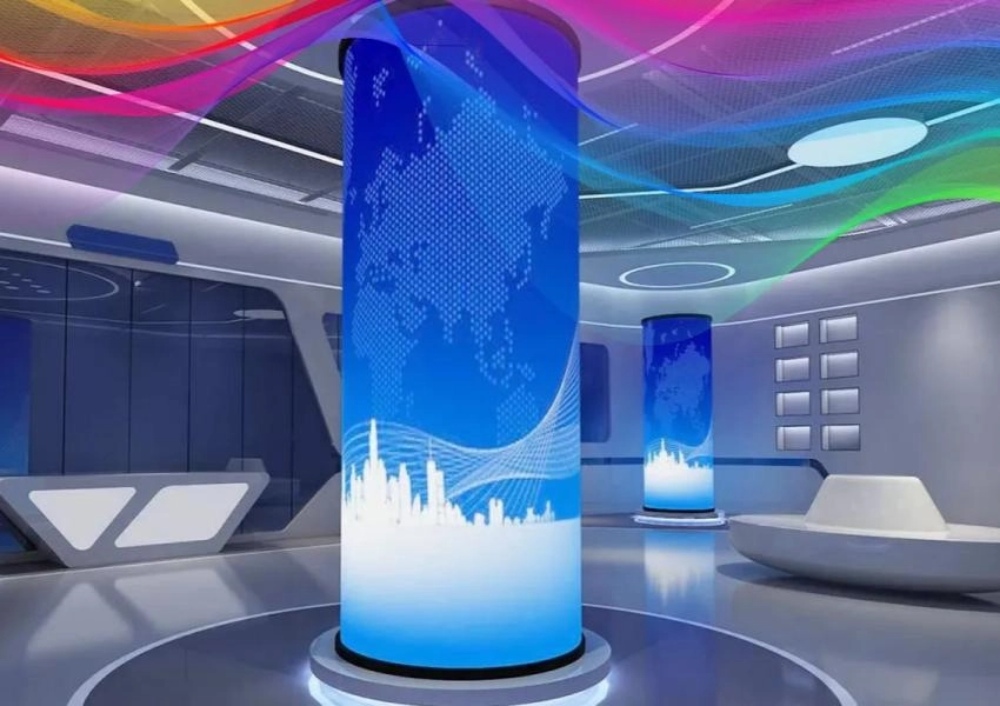
The curved flexible LED screen benchmarks 2026 mark a clear step ahead in display technology. They combine stronger curvature control, finer pixel accuracy, and greater mechanical flexibility. The industry now favors modular and bendable designs that fit many architectural and commercial uses. Flexible screens move beyond the limits of rigid panels by using flexible substrates and thin-film electronics. These materials allow smooth bending while keeping brightness and color stable, even after repeated adjustments.
The Evolution of Curved Flexible LED Technology
Advances in module design have brought in thinner materials that suit both indoor and outdoor applications at large scale. Distributed scanning and modular layouts improve reliability and stability. High-quality encapsulation keeps each module safe from dust and moisture, and it also helps maintain color uniformity. The 2026 benchmarks focus on flexibility together with structural strength, both of which matter for installations that need lasting visual impact.
Key Performance Indicators Defining the 2026 Benchmarks
Brightness stability, refresh rate, and color consistency remain central to the 2026 benchmarks. These factors decide how well a display holds image quality in changing conditions. Energy efficiency now counts as a key measure. Flexible screens use 15–20% less power than traditional displays, which supports longer service life and aligns with global sustainability targets. Advanced thermal systems help control heat and extend operating time.
Modular scalability is another important measure. It lets designers build large visual systems that adapt to complex surfaces and multi-panel setups. Intelligent system integration keeps transitions smooth across panels. This feature suits broadcast studios, simulation centers, and digital façades.
Structural Design and Engineering of Flexible LED Screens
Material Innovation in Flexible LED Modules
Material science forms the base of today’s curved flexible displays. Advanced polymers and silicone substrates add elasticity while preserving strength. Encapsulation methods shield sensitive circuits from humidity and vibration, helping each unit meet the 2026 benchmark requirements.
Our engineering teams have created module designs that survive repeated folding cycles and still deliver full brightness. Every unit passes strict tests to confirm steady performance during installation or relocation. This process ensures each flexible LED screen meets international durability standards needed for long-term commercial use.
Mechanical Precision and Installation Adaptability
Mechanical precision decides how well any curved installation performs. Magnetic connections make assembly easier while keeping surfaces seamless. Strong magnetic adsorption supports quick installation and simple maintenance, even on cylindrical walls or concave ceilings.
Custom curvature setups are now possible with adaptive mounting systems that align each panel accurately with its neighbors. These refinements remove visible gaps and support smooth visual flow, meeting the benchmark expectations of professional clients worldwide.
Optical Performance and Display Quality Standards
Color Accuracy and Visual Uniformity in 2026 Benchmarks
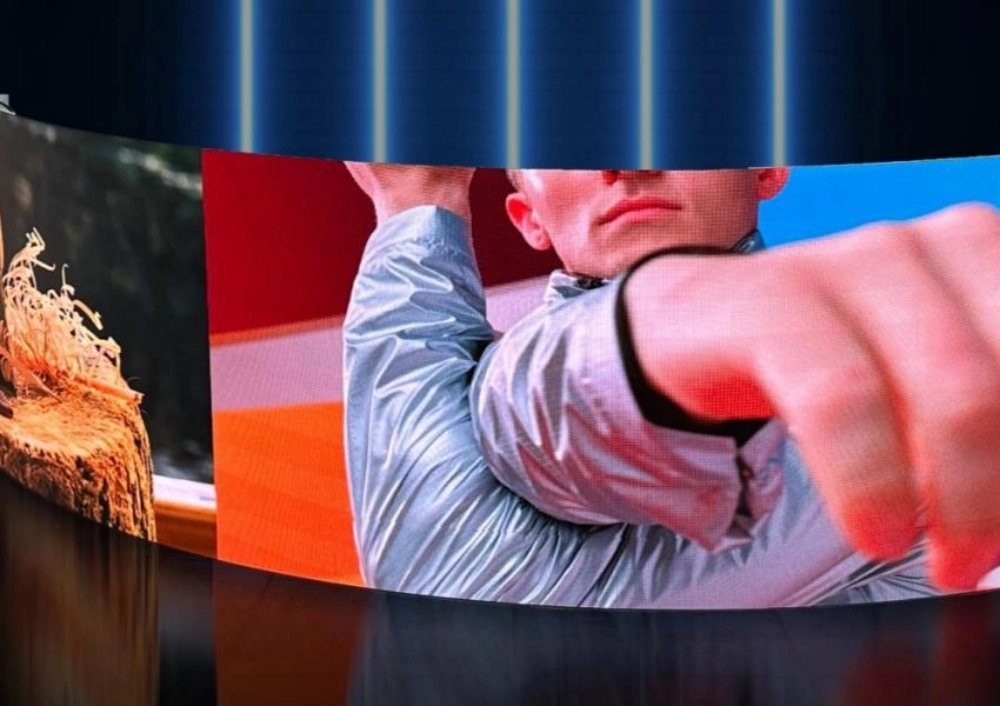
Color fidelity stands at the center of every curved flexible LED screen benchmark 2026 requirement. Improved driver ICs raise grayscale depth while holding chromatic accuracy under different lighting conditions. Multi-point calibration across the full surface ensures consistent brightness.
Low brightness and high grayscale performance allow the display to show clear images even when brightness drops to 20%. This ability helps maintain quality in low-light settings such as retail interiors or museum exhibits where ambient light changes during the day.
Refresh Rate, Viewing Angle, and Visual Comfort
High refresh rates matter for professional video playback and live event broadcasting. Our flexible modules reach refresh frequencies up to 7680Hz and offer wide viewing angles that exceed common industry levels. The 7680Hz rate combined with 14–16 bit grayscale produces flicker-free motion with reduced eye strain during extended viewing. This mix of high refresh performance and broad visibility keeps clarity steady across curved surfaces, whether the viewer stands at extreme angles or close range, meeting ergonomic comfort standards set by the latest benchmarks.
Application Scenarios Driving Benchmark Adoption in 2026
Immersive Architectural Displays and Commercial Installations
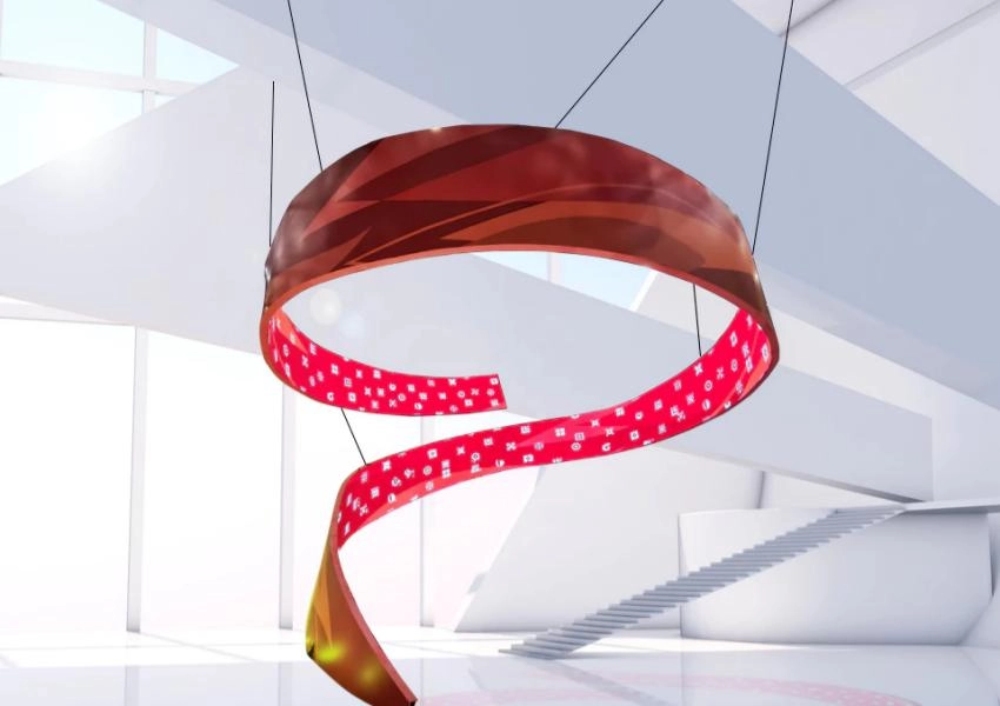
Curved flexible LED screens are changing how spaces look by turning static structures into interactive surfaces. Their ability to form concave or convex shapes creates new options for retail façades, exhibition halls, and entertainment venues that want immersive visual storytelling. The flexible design supports multi-angle folding and curling, making it suitable for curved stages, arc façades, and special installations.
Our product range includes the LED Flexible Screen, built for outdoor creative projects that need strong weather resistance and clear images. For indoor spaces that require higher resolution in smaller sizes, we suggest the Flexible Screen Display, which provides sharp pixel detail suited to museums and brand displays.
Control Systems and Integration with Smart Infrastructure
The 2026 benchmarks stress both hardware quality and smart connectivity. Integrated control systems link multiple curved displays through IoT platforms that allow remote checks and energy management. These systems support dynamic content that can adjust to audience behavior or environmental shifts, fitting smart city projects where digital media blends into architectural settings.
Reliability, Maintenance, and Lifecycle Performance Metrics
Durability Testing Aligned with 2026 Industry Standards
Every curved flexible LED screen must pass strict environmental tests that simulate real-world conditions such as temperature changes and mechanical vibration. Each screen receives 72 hours of extreme testing before shipment, covering high and low temperature cycling as well as brightness decay checks. These steps ensure reliable operation over long periods that exceed normal display expectations. Long-term brightness retention is confirmed through accelerated aging tests that verify steady output after thousands of operating hours, a requirement for benchmark-compliant systems.
Maintenance Efficiency Through Modular Design Innovation
Maintenance access affects total operating cost. Front-access servicing shortens downtime during pixel replacement or calibration. The modular structure also allows future upgrades that align with specifications beyond 2026. Rear maintenance design, quick assembly, wide viewing angle, and 7680Hz refresh rate reflect our focus on operational ease without loss of optical quality, making these solutions suitable for control centers and live event venues.
Leyaled: A Reliable Manufacturer of Advanced Flexible Display Solutions
As a global manufacturer known as Leyaled, we combine 15 years of R&D experience with modern production facilities in Shenzhen’s industrial area. FWS Technology Co., Ltd. is a high-tech company focused on the full LED display chain, covering R&D, production, and sales. Our site covers more than 7,200 square meters and includes eight automated SMT lines that support precise assembly at scale.
We have completed multiple benchmark projects worldwide by using our team’s complete technical capability, from optical design to engineering delivery. A one-on-one project responsibility system helps us respond to clients faster than the industry average. Each product passes strict quality checks before shipment and carries international certifications including ISO 9001:2008, CCC, and CE, confirming compliance with global safety standards.
Our support goes beyond manufacturing. We offer consultation on installation guidance, maintenance training, and after-sales technical help through our Contact Page. By continuing to develop solutions that meet curved flexible led screen benchmarks 2026, we stay committed to advancing display technology for professional B2B applications around the world.
Conclusion
Choosing benchmark-compliant curved flexible LED screens brings clear benefits in mechanical strength, optical uniformity, energy use, and smart control integration. These qualities support digital transformation plans through 2026 and beyond. Working with us gives access to advanced flexible LED screen solutions built for long service under demanding conditions while keeping the visual precision required by modern architecture.
Through ongoing innovation, field experience, and strong service support, we help clients reach sustainable performance that aligns with international curved flexible LED screen benchmarks 2026 standards and delivers both technical advantage and economic value in competitive markets.
FAQ
Q1: What makes the curved flexible LED screen benchmarks 2026 significant?
A1: The benchmarks set clear standards for brightness stability, flexibility tolerance, energy efficiency, thermal control, and IoT connectivity. These standards help ensure consistent visual performance across many different applications.
Q2: How does a flexible LED module differ from a traditional flat panel?
A2: A flexible LED module can bend along specific radii without causing pixel distortion or electrical issues. This bending ability enables designs such as wave-shaped walls or cylindrical displays that rigid panels cannot achieve.
Q3: How can I contact Leyaled for product consultation or service support?
A3: For questions about curved flexible LED screen benchmarks 2026, technical details of flexible LED screens, or project support including installation and maintenance, please use our official contact page.